

Notes from our Blog:
Life is mysterious and full of things we cannot understand or measure by science, which is why healing is really hard to put into words. Sometimes words fail and cannot accurately express what is felt on the inside. However, here is a collection of my writings/practices that I hope will serve you as a nourishing resource to heal and grow from the inside out.
Trauma taught you how to fight with high achieving behaviors. May love teach you to accept yourself as you are.
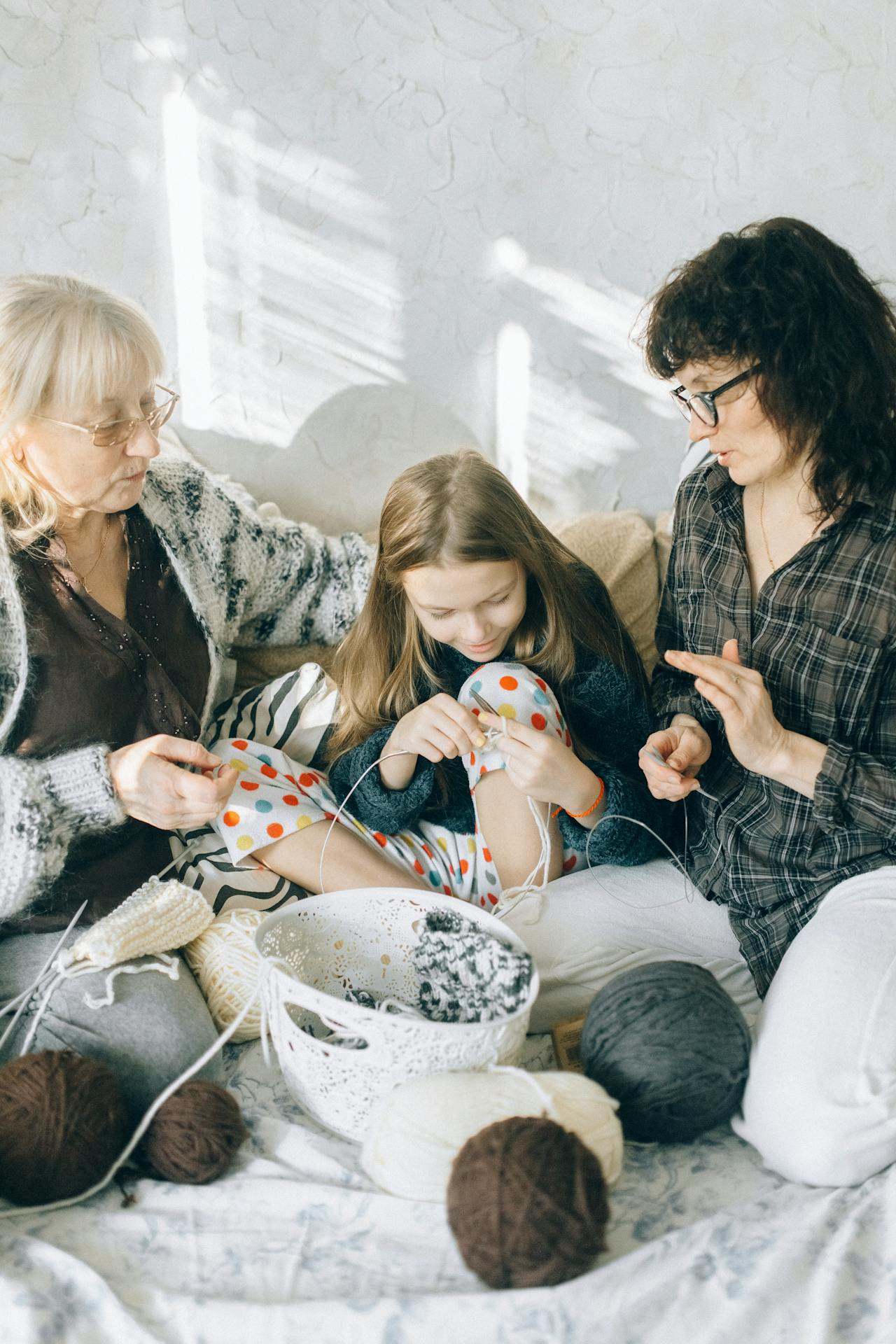
Breaking the Lineage of Overfunctioning Women: How Intergenerational Trauma Shapes High-Achievers
The lineage of overfunctioning women is intergenerational trauma.
It didn’t start with you.
But it can end with you.
So many high-achieving women move through life carrying an invisible inheritance — a pattern of doing, striving, fixing, proving, and caretaking that feels instinctual. It shows up as being the responsible one, the dependable one, the one who can handle anything. It becomes a lifestyle of anticipating needs, managing crises, never letting the ball drop, and making sure everyone else is okay.
From the outside, it looks like competence or ambition. Inside, it often feels like pressure, burnout, and the belief that you must earn your worth through your usefulness.
This pattern is not a personal flaw.
It’s not something you “chose.”
It’s something your nervous system learned.
Because the lineage of overfunctioning women didn’t begin with you — it began with the generations before you who survived by staying busy, staying silent, staying useful, and staying small.
In this blog, we’ll explore what overfunctioning actually is, how it becomes a generational pattern, why women’s bodies absorb these survival strategies, and how you can interrupt the lineage with rest, softness, and self-trust.

How Complex Trauma Shapes High Achievers and Tips for Navigating Family Triggers
The holidays are supposed to be a time of joy, connection, and celebration, but for many high achievers, this season can feel heavy and overwhelming.
If you’ve grown up experiencing complex trauma, holiday gatherings with family can bring up old wounds, trigger unresolved feelings, and leave you feeling emotionally drained.
This blog explores how complex trauma during childhood shapes high-achieving behaviors and provides compassionate, practical tools to help you navigate triggers when visiting family during the holidays.

Understanding "Good Girl Syndrome": The Hidden Link Between Childhood Trauma and High Achieving Behaviors in Women
In today’s society, the image of the "good girl" is often celebrated. She is the woman who excels academically, climbs the career ladder with apparent ease, and manages to juggle numerous responsibilities flawlessly. However, this seemingly perfect façade can often mask deep-seated issues stemming from childhood trauma. As a licensed therapist specializing in somatic and talk therapy, I have worked with many high-achieving women who exhibit what is commonly referred to as "good girl syndrome." This article explores the connection between childhood trauma and high achieving behaviors, the symptoms of good girl syndrome, and how these women can find themselves trapped in toxic workplaces due to their heightened distress tolerance.

From Trauma to Triumph: Unraveling the Complex Connection Between Trauma and High Achievement
Trauma is a deeply distressing experience that can leave lasting imprints on an individual's mental, emotional, and physical well-being. While trauma is often associated with adverse effects on one's life, it is essential to recognize that some individuals develop coping mechanisms that propel them towards high achievement. In this article, we will explore the relationship between trauma and high achievement, delving into the neurobiology behind trauma and its impact on the flight/fight/freeze response. Additionally, we will identify ten signs that may indicate high achievement is rooted in trauma, and provide ten mindful and embodied strategies to manage the potentially problematic aspects of being a high achiever.